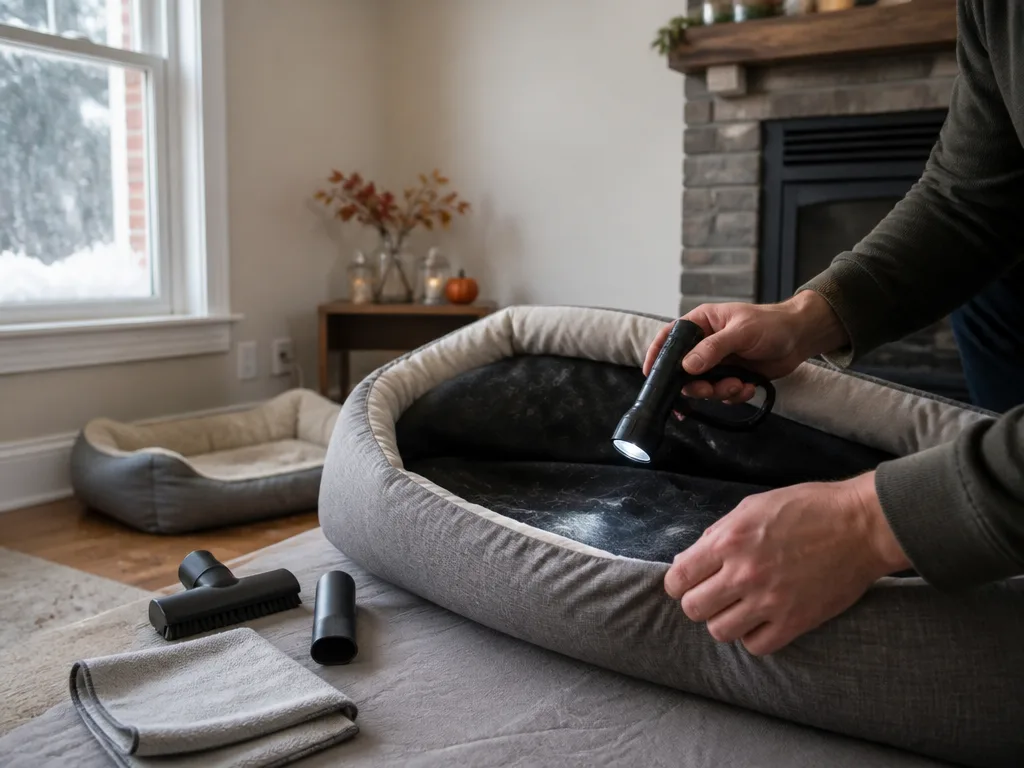
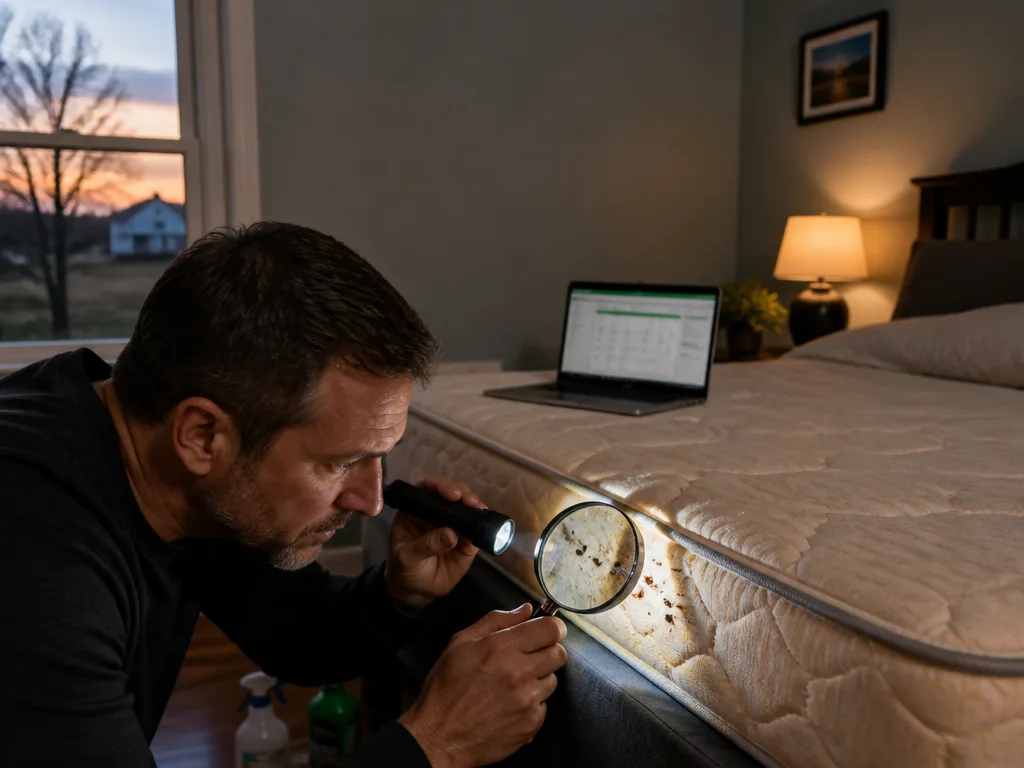
understanding the line between DIY and professional help
Homeowners across Pennsylvania often start with basic cleaning and containment ideas. You can isolate affected areas, launder fabrics, and reduce clutter. These steps can help if signs are limited to a single room and the activity is fresh. But bed bugs hide in tiny cracks and in furniture joints, which means a thorough, state-wide approach is necessary to prevent spread.
When the signs persist beyond a week or reappear after cleaning, it’s time to involve a pest control specialist. In Pennsylvania, our crews bring a consistent, statewide framework to every home. We start with a careful inspection, map the extent of activity, and then outline a plan that fits your home, your schedule, and your comfort level. That plan often includes monitoring to confirm progress and adjustments if needed.
what a typical PA plan looks like
A standard approach in Pennsylvania centers on precision and minimal disruption. The pest control specialist will focus on bed and furniture junctions, gaps around walls, and brightened areas that show patterns of activity. Instead of a busy, one-size-fits-all method, expect a tailored sequence that may span multiple visits. The aim is steady progress with clear milestones you can track.
DIY efforts may buy time in some cases, but a persistent issue usually needs a professional touch. In our experience across Pennsylvania, early, decisive action by a pest control specialist reduces the chance of a second wave of activity and minimizes disruption to your daily life.
practical guidance for homeowners at home in PA
Document activity with photos and notes, especially around bed frames, headboards, and upholstered furniture. Keep items that are heavily infested contained and tagged for professional handling. If you’re traveling, inspect luggage when you return and vacuum suitcases before storing them away. These steps help a PA home stay under control while you arrange a professional assessment.
Choose a plan that emphasizes transparency and steady monitoring. In Pennsylvania, a good statewide provider will explain what to expect, how progress will be measured, and what happens if signs reappear. That clarity helps you make informed decisions without feeling overwhelmed.